Snorkeling While Pregnant: Is It Safe and What to Know
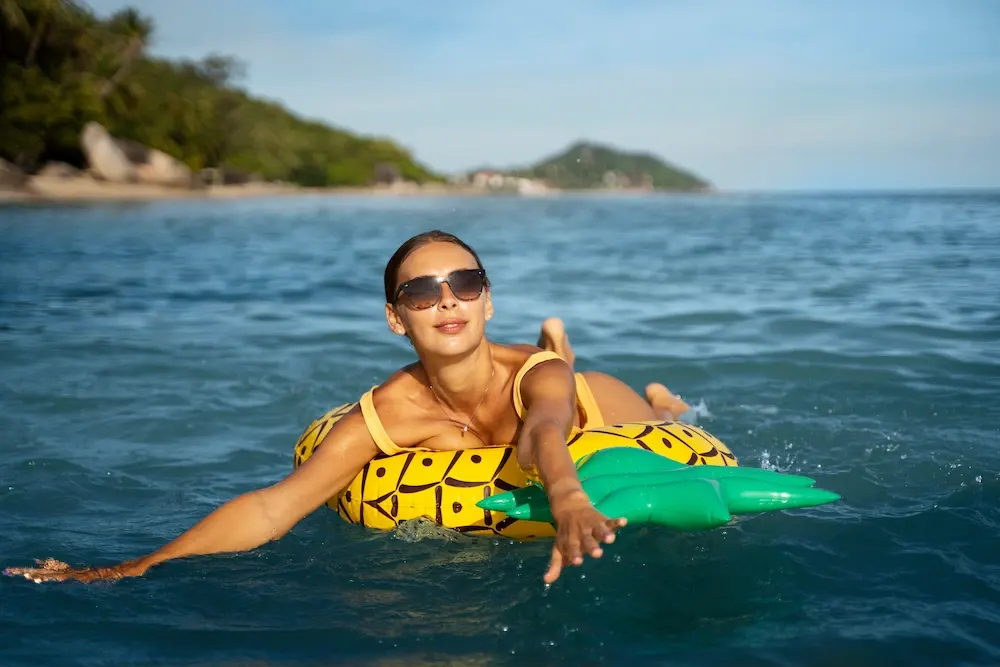
Snorkeling is generally considered a lower-risk water activity during pregnancy than scuba diving, since it keeps you at the surface and doesn’t involve pressure changes. That said, every pregnancy is different, and the most important step is to talk with your own doctor before booking. Here’s some general information to help you have that conversation and plan a comfortable trip.
A quick but important note: the information here is general and educational, not medical advice. Your healthcare provider knows your specific situation and is the right person to clear you for any activity during pregnancy. Please check with them first.
Why Snorkeling Differs From Scuba Diving
It’s worth understanding why snorkeling and scuba diving are treated so differently during pregnancy. Scuba diving is generally advised against throughout pregnancy. Diving involves breathing compressed air at depth and pressure changes that can pose risks to a developing baby, including concerns related to decompression. Major diving organizations recommend against it for pregnant women.
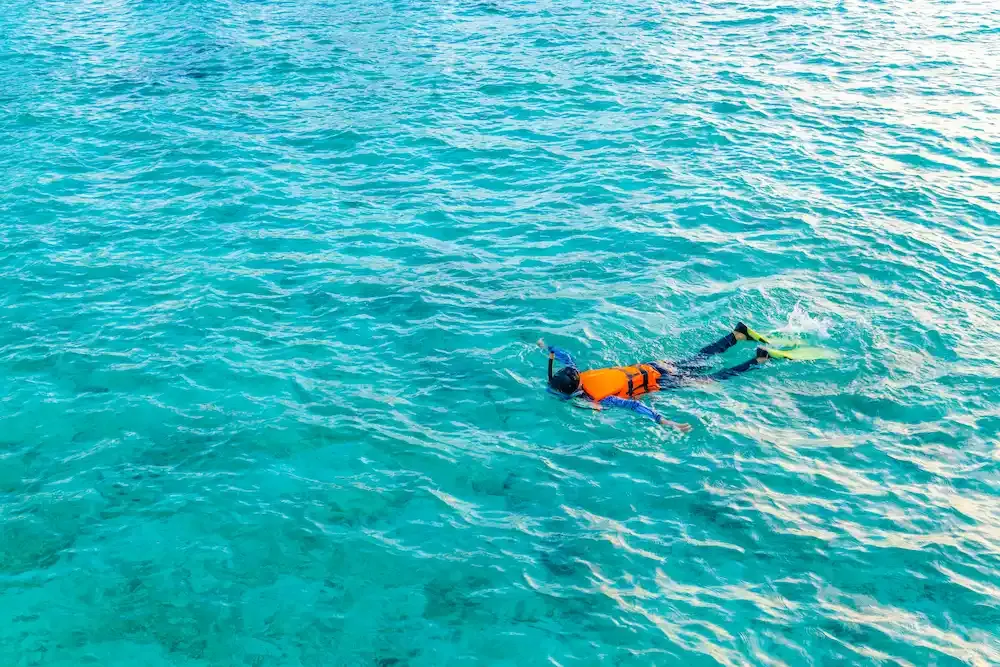
Snorkeling is fundamentally different. You stay at the surface, breathe normal air through a tube, and experience no pressure changes or depth. That’s why many consider it a more reasonable option during pregnancy, though it still warrants a conversation with your doctor. For more on the general distinction between the two activities, see our snorkeling vs scuba diving guide.
Things to Consider and Discuss With Your Doctor
If you’re considering snorkeling while pregnant, here are some topics worth raising with your healthcare provider:
Your stage of pregnancy and how you’re feeling overall. Many women feel most comfortable and energetic in the second trimester, while the first trimester can bring fatigue and nausea, and the third can bring balance and comfort challenges. Any pregnancy complications or conditions your provider is monitoring. Your comfort and experience level in the water, this isn’t the time to try something that makes you anxious. And practical factors like overheating, dehydration, and exertion, which matter more during pregnancy.
Your doctor can weigh these against your specific situation and give you guidance tailored to you, which is something no general article can do.
Comfort Tips If Your Doctor Gives the Go-Ahead
If you’ve been cleared to snorkel, a few considerations can help make the experience more comfortable.
Stay Cool and Hydrated
Overheating and dehydration are worth taking seriously during pregnancy. Drink plenty of water before and during your trip, seek shade between water time, and don’t push yourself in the midday heat. The Florida Keys sun is strong, so plan around it.
Take It Easy and Listen to Your Body
Snorkeling is naturally low-exertion, slow, gentle floating rather than hard swimming, which is part of why it can suit pregnancy well. Go at your own pace, rest whenever you want, and don’t feel any pressure to keep up with anyone. Flotation devices are available and make staying at the surface effortless, which many expectant moms appreciate.
Mind Your Footing
Balance changes during pregnancy, so take extra care moving around the boat and getting in and out of the water. Our catamarans have easy boarding and a stable deck, which helps, but moving slowly and using handholds is smart.
Consider the Sandbar
If snorkeling feels like more than you want, the sandbar is a wonderful, low-key alternative. The snorkeling and sandbar combo means you can snorkel as much or as little as you like and still enjoy relaxing in calm, waist-deep, crystal-clear water. Many expectant moms find the gentle, warm water of the sandbar genuinely soothing.
Managing Seasickness During Pregnancy
Pregnancy can heighten sensitivity to nausea, so seasickness is worth thinking about. Importantly, many motion sickness medications aren’t recommended during pregnancy, which is another reason to talk to your doctor about safe options before your trip.
The good news is that our stable catamarans and calm-water routes make seasickness uncommon to begin with. Natural strategies like watching the horizon, staying in fresh air, and ginger (check with your doctor) can also help. Our seasickness guide covers these approaches in more detail.
The Sunset Cruise: A Lovely Low-Key Option
If you’d rather skip the water entirely but still enjoy the beauty of being out on the ocean, a sunset cruise is a gentle, romantic option with no swimming involved. For couples on a babymoon in the Florida Keys, a calm evening cruise watching the sun set over the Gulf can be the highlight of the trip, all relaxation, no exertion.
The Bottom Line
Snorkeling is widely considered a lower-risk water activity during pregnancy compared to scuba diving, thanks to staying at the surface with no pressure changes. But your individual circumstances are what matter most, so your doctor’s guidance comes first, always. If you’re cleared, taking it easy, staying cool and hydrated, and choosing comfortable options like the sandbar or a sunset cruise can make for a memorable and relaxing time on the Islamorada water.
Frequently Asked Questions
Is snorkeling safe during pregnancy?
Snorkeling is generally considered lower-risk than scuba diving because you stay at the surface with no pressure changes. However, every pregnancy is different, and you should always consult your own doctor before booking any activity. This article is general information, not medical advice.
Why is scuba diving not recommended during pregnancy but snorkeling may be?
Scuba diving involves breathing compressed air at depth and pressure changes that can pose risks during pregnancy. Snorkeling keeps you at the surface breathing normal air with no depth or pressure changes, which is why it’s viewed differently. Still, check with your provider.
What if I don’t want to snorkel but still want to enjoy the water?
The sandbar offers calm, shallow, soothing water with no snorkeling required, and a sunset cruise lets you enjoy being on the ocean with no swimming at all. Both are gentle, low-exertion options well suited to a relaxed trip.
Planning a babymoon or relaxed getaway in the Keys? Book online or call us at (305) 413-8307. We’re happy to help you choose the most comfortable option for your trip.